
Chapter 5
Leo’s lip jutted out.
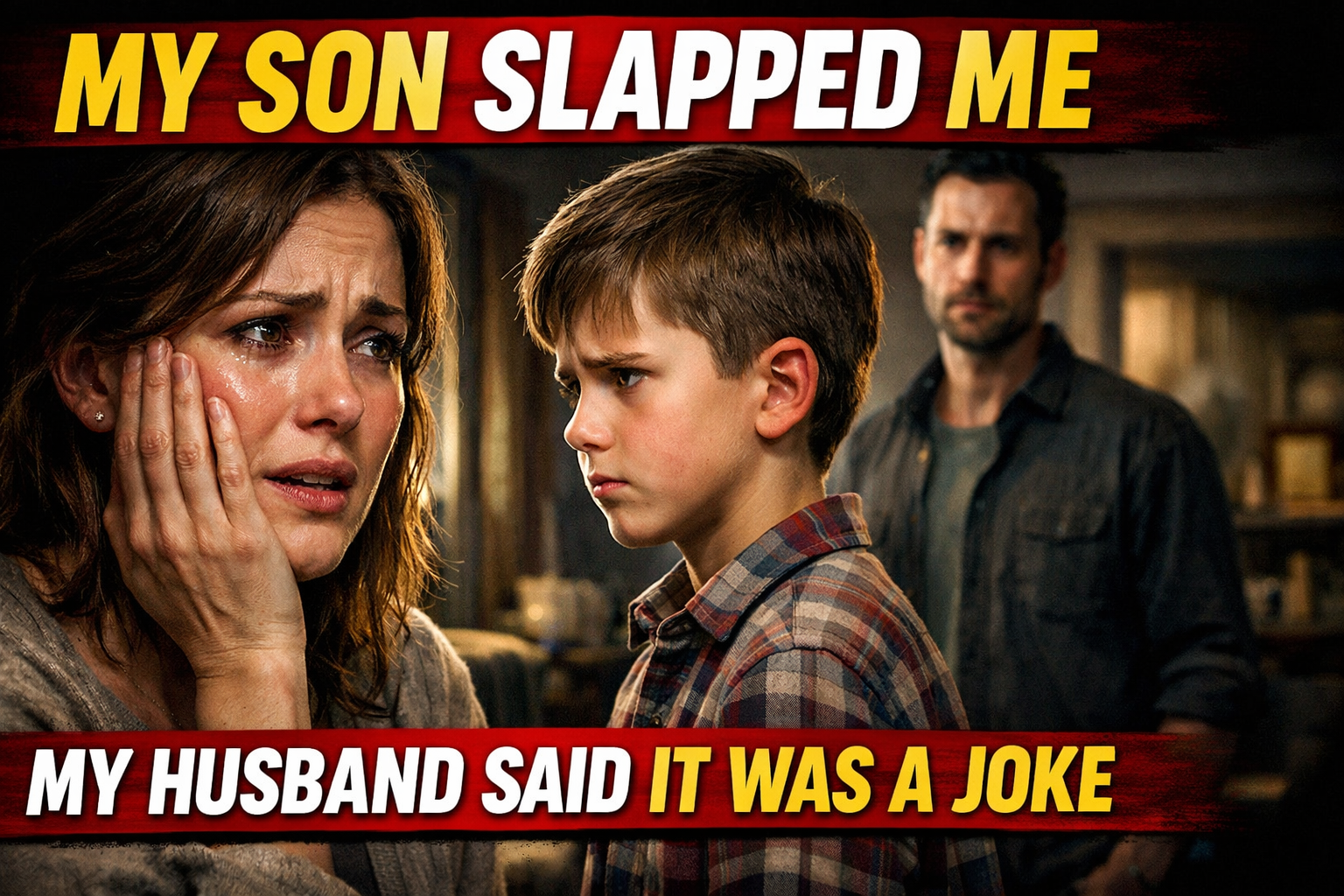
“Mommy, if you don’t sleep with me, then I’m not letting you take me to school tomorrow. And I won’t eat your food either.”
He had been afraid of the dark since he was a baby.
I met his angry gaze in the mirror.
“Leo, if you’re so afraid of the dark, why don’t you ask your father to stay with you?”
“Daddy has to work. You don’t do anything all day except spend Daddy’s money. Isn’t it your job to put me to sleep?”
I turned to face him.
“So if I stop spending Daddy’s money, does that mean I don’t have to put you to sleep anymore?”
Leo let out a cold little sneer, his tone a perfect imitation of his father’s.
“Don’t be ridiculous, Mom. You’re not smart and successful like Auntie Rosalie. If you didn’t spend Dad’s money, where would you get any? From Grandpa?”
I had heard words like those my entire life.
I wasn’t as brilliant as Rosalie. I wasn’t as educated as Rosalie. All the best things were meant for Rosalie.
It was as if our names themselves were a prophecy. She was Rosalie, the bloom. I was Allera, the block of wood.
I was used to it. Numb to it.
But I had never imagined that one day I would hear those same words from the mouth of the son I had carried for nine months. The son I had risked my life to bring into this world.
My hands trembled.
An icy chill shot up from the soles of my feet to the crown of my head. I felt rage and a deep, wounded sorrow.
And then all emotion receded, leaving behind a still, dead pool that could not even ripple.
I spoke softly.
“Fine. Then make sure you get up early tomorrow. Mommy won’t be making you breakfast.”
That night, I did not make breakfast for Leo.
I did not feel the familiar ache over David staying out all night again.
I slept soundly.
At five in the morning, I got up and packed a few essentials. As I dragged my suitcase out the door, Leo was still asleep, long past the hour he should have been waking up for school.
I took one last look at the home I had nurtured so carefully for so long.
The clean clothes I had washed were drying on the balcony. The ivy I had tended was thriving, its vines sprawling beautifully. The potted plants were lush and green—except for the few cigarette butts David had carelessly stubbed out into the soil of the succulents.
I had scolded him for that so many times. He never listened.
And Leo had learned from him. When he was bored, he liked to pull the leaves off my plants, leaving the once-healthy greenery tattered and torn.
Looking at them now, I realized those plants were just like me.
Objects to be treated with casual indifference.
After a long silence, I sent a message to my neighbor, who also loved gardening.
If you wouldn’t mind, could I give you all my plants? I’d love for them to have a good home.
Then I left.